Source Wall Installation Electric Towel Rail for Home, Office, Commercial
Compare 30 wall installation electric towel rail options featuring AC power, tip-over shut off, and timer functions. These portable units suit home, office, and commercial use with customizable sizes and CE RoHS certifications; compare the available evidence and request quotations based on your requirements.
Key considerations
Products List


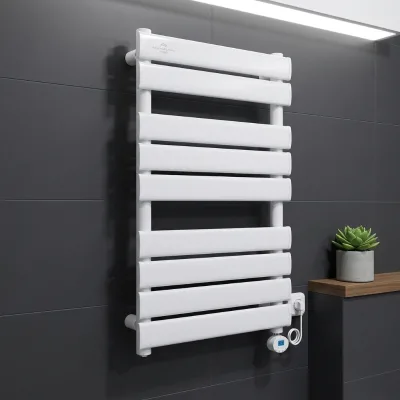


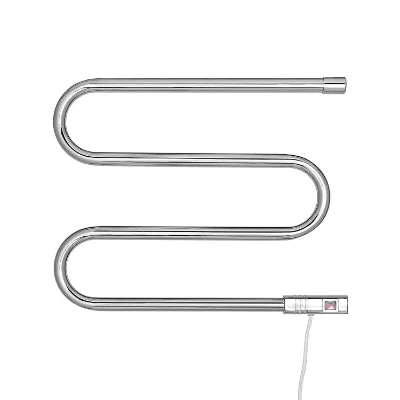
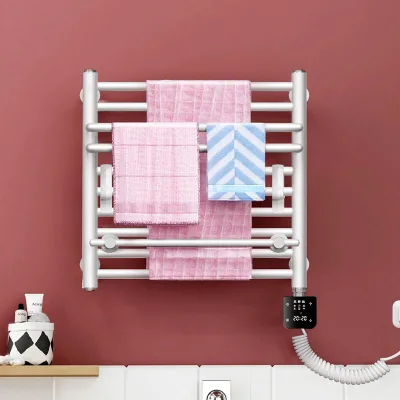
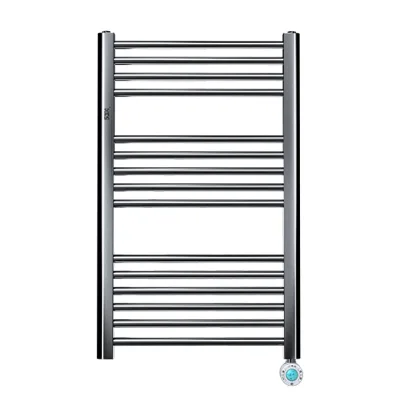

Comprehensive Sourcing Guide
Wall Installation Electric Towel Rail Sourcing Guide
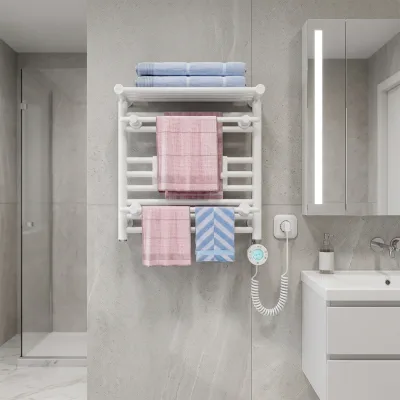
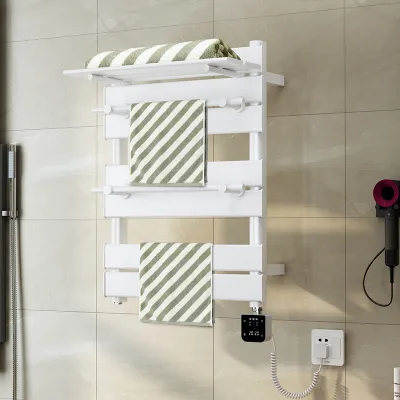
Sourcing wall-mounted electric towel rails requires balancing aesthetic integration with rigorous electrical safety standards. Buyers must prioritize units that offer dual installation flexibility, such as wall-mounted or freestanding options, to accommodate diverse bathroom layouts. The observed market includes models with specific dimensions, such as 60cmx45cmx11cm or 106.5x53.5x3.5cm, which dictate spatial planning. Procurement teams should verify that the chosen model supports the intended mounting surface load and aligns with existing plumbing or electrical conduits to minimize retrofitting costs.
Material selection significantly impacts durability and corrosion resistance in humid environments. Stainless steel and aluminum are common materials observed in listings, each offering distinct advantages regarding weight and finish longevity. Buyers should confirm the specific alloy grade and surface treatment to ensure resistance to salt spray and daily cleaning agents. Additionally, verifying the IP rating, such as IP55, is critical for ensuring the electrical components are protected against water jets and dust ingress, thereby extending the operational lifespan of the heating element in wet zones.
Product Scope and Observed Listing Signals
The current market presents a diverse range of electric towel rails, including double towel bars and radiator-style units with varying power outputs. Observed specifications include models like ETR-05 and T150-6, with power ratings ranging from 400W to 1500W+1500W configurations. These variations allow buyers to select units based on room size and heat output requirements. The presence of features like adjustable thermostats and timer functions indicates a shift toward smart, energy-efficient designs that cater to both residential and commercial hospitality sectors.
Customization options are frequently available, allowing buyers to tailor color finishes such as black or white to match interior design schemes. Packaging is typically standardized in cartons, with dimensions like 52.8x55.8x8cm providing clear logistics data for freight calculation. Buyers should note that while some listings suggest AC power operation, others may imply different power types, necessitating direct verification of voltage compatibility. Understanding these listing signals helps in filtering suppliers who offer the specific technical and aesthetic requirements for the project.
Technical Specifications to Verify
Technical due diligence must focus on the heating element type and control mechanisms. Electric wire or heating wire elements are commonly cited, but buyers should verify the insulation quality and thermal efficiency ratings. Features such as tip-over shut-off, overheat protection, and child locks are essential safety mechanisms that should be explicitly confirmed in the product datasheet. Additionally, the presence of remote control or app control capabilities varies; buyers must clarify if a specific model supports wireless connectivity or relies solely on physical thermostatic controls for user interaction.
Dimensional accuracy and mounting hardware compatibility are critical for seamless installation. Specifications such as 660x520x78mm or 72x55.8x8cm must be cross-referenced with the actual bathroom layout to ensure proper fit. Buyers should also verify the weight capacity of the mounting brackets, especially for larger, heavier units made of stainless steel. Confirming the exact model number, such as T500B or L-Sr0004, ensures that replacement parts and technical support are available in the future, reducing long-term maintenance risks associated with proprietary designs.
Compliance and Safety Documentation
Regulatory compliance is non-negotiable for electrical heating products sold in international markets. Certifications such as CE and RoHS are frequently listed, indicating adherence to European safety and environmental standards. Buyers must request valid test reports from accredited laboratories to verify that these certifications are current and applicable to the specific model being purchased. Documentation should cover electrical safety, electromagnetic compatibility, and material restrictions to ensure the product meets the legal requirements of the destination country.
Beyond basic certifications, buyers should inquire about additional safety testing for humidity resistance and thermal stability. Products intended for bathroom use must demonstrate robust performance under high-humidity conditions without compromising electrical integrity. Verifying that the manufacturer has a documented quality management system ensures consistent production standards. Buyers should also check if the product includes clear installation manuals and warning labels in the target language, which are crucial for safe user operation and liability protection.
Cost Drivers and Commercial Terms
Pricing for electric towel rails varies based on material, power output, and feature complexity. Observed price ranges span from $16 to $199, reflecting differences between basic aluminum models and premium stainless steel units with advanced controls. Buyers should analyze the cost per watt of heating output to determine value efficiency. Additionally, customization options, such as specific colors or logo printing, may incur additional charges that should be factored into the total landed cost calculation for accurate budgeting.
Minimum Order Quantities (MOQ) and payment terms significantly influence procurement strategy. MOQs observed range from 1 to 500 units, with specific models requiring 200 or 300 units. Buyers with smaller requirements may need to negotiate exceptions or consolidate orders with other bathroom fixtures. Shipping methods, including air, sea, or express, also impact costs and lead times. Understanding these commercial terms helps in negotiating favorable contracts and managing cash flow effectively throughout the supply chain.
Supplier Qualification and Quality Control
Supplier verification is essential to mitigate risks associated with manufacturing quality and delivery reliability. Buyers should assess the supplier’s production capacity and quality control processes, particularly for electrical components. Factories located in regions like Shenzhen or Zhongshan, Guangdong, often have established supply chains, but buyers must verify their specific expertise in heating elements. Requesting factory audits or third-party inspection reports can provide insights into their manufacturing standards and consistency.
Quality control checks should include pre-shipment inspections to verify product dimensions, electrical functionality, and packaging integrity. Buyers should define clear acceptance criteria for defects, such as surface scratches or electrical faults, in the purchase agreement. Establishing a clear communication channel for technical support and warranty claims is also crucial. Selecting suppliers who demonstrate transparency and responsiveness ensures a smoother procurement process and reduces the likelihood of post-delivery issues.
Long-Term Procurement Checks
Long-term success depends on the availability of spare parts and after-sales support. Buyers should confirm the warranty period and the supplier’s policy for handling defective units. Access to replacement heating elements or control boards can extend the product’s lifecycle and reduce replacement costs. Additionally, verifying the supplier’s ability to provide updated technical documentation and firmware, if applicable, ensures that the products remain compliant with evolving regulations and user expectations.
Market trends and product updates should be monitored to ensure the sourced models remain competitive. Suppliers who invest in R&D may offer newer, more energy-efficient models that can provide a competitive advantage. Building a strong relationship with the supplier can facilitate early access to new products and better pricing terms. Regularly reviewing supplier performance metrics, such as on-time delivery and defect rates, helps in maintaining a high-quality supply chain and ensuring consistent product availability for future orders.
FAQs
Can I customize the wall installation electric towel rail?
Yes, customization is available for this product line. Buyers can request specific modifications to meet unique requirements. The standard models include features like remote control and timer functions. This flexibility supports diverse commercial and home use applications effectively.
What certifications do these electric towel rails hold?
The products hold CE and RoHS certifications for safety and compliance. Some models also carry specific CE ratings for electrical safety. These certifications ensure the units meet international standards for electrical appliances used in offices and homes globally.
How is the wall installation electric towel rail powered?
These units operate using AC power with electric wire heating elements. They feature adjustable thermostats and energy-saving modes for efficient operation. The design supports both wall-mounted and floor-standing installations for versatile placement in various rooms.
What is the minimum order quantity for these towel bars?
The minimum order quantity varies between 200 and 300 units depending on the specific model selected. Some listings indicate an MOQ of 200, while others require 300 units. Buyers should verify the exact requirement for their chosen model before placing an order.
Which materials are used for the wall installation electric towel rail?
Manufacturers use stainless steel and aluminum for construction to ensure durability. These materials provide resistance against corrosion and heat. The choice of material supports long-term performance in both commercial and residential environments effectively.
Can the electric towel rail be used in commercial settings?
Yes, the product is designed for office, home, and commercial use applications. It includes safety features like tip-over shut off and overheat protection. This versatility makes it suitable for various environments requiring reliable heating and towel drying capabilities.